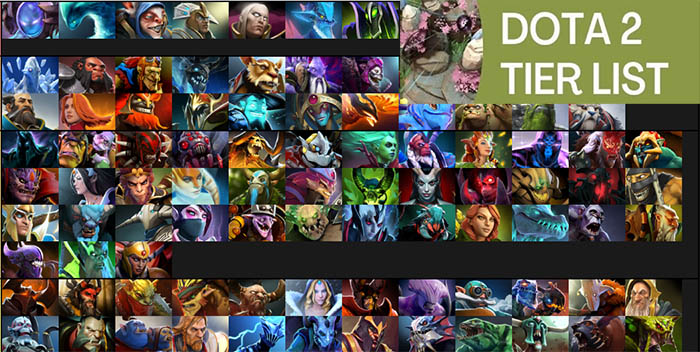
Drafting the right hero is often half the battle won in Dota 2. With the game’s competitive meta constantly shifting due to balance patches and mechanical updates, tracking which characters hold the highest impact is crucial for anyone serious about climbing the MMR ladder.
This ultimate Dota 2 Tier List provides a definitive ranking of every single hero in the pool, categorizing them from unstoppable god-tier powerhouses to situational pocket picks. By analyzing current matchmaking win rates, pick rates, and lane efficiency across high-level brackets, this guide will help you refine your hero selections, counter enemy drafts effectively, and maximize your impact in every role. Explore the detailed breakdown below to find out which heroes you should snap-pick immediately and which ones you should avoid in your upcoming games!
Dota 2 Tier List Table
Below is the complete ranking table of all Dota 2 heroes, categorized from the most dominant meta picks to the least effective characters in the current patch.
| Tier | Heroes |
|---|---|
| S+ |                Morphling, Batrider, Shadow Fiend, Pangolier, Enigma, Undying, Primal Beast, Drow Ranger, Anti-Mage, Meepo, Clinkz, Tinker, Lycan, Omniknight, Arc Warden. |
| S |                                          Leshrac, Broodmother, Sniper, Snapfire, Pudge, Beastmaster, Lina, Visage, Clockwerk, Ember Spirit, Silencer, Terrorblade, Earthshaker, Faceless Void, Nyx Assassin, Invoker, Tusk, Viper, Marci, Dazzle, Death Prophet, Riki, Outworld Destroyer, Skywrath Mage, Crystal Maiden, Zeus, Abaddon, Lich, Shadow Shaman, Juggernaut, Jakiro, Dawnbreaker, Phantom Lancer, Mirana, Vengeful Spirit, Centaur Warrunner, Legion Commander, Night Stalker, Slardar, Naga Siren, Huskar. |
| A |                              Templar Assassin, Mars, Lone Druid, Ancient Apparition, Disruptor, Ursa, Chen, Tiny, Slark, Monkey King, Puck, Muerta, Witch Doctor, Oracle, Sven, Io, Troll Warlord, Spectre, Bane, Underlord, Treant Protector, Elder Titan, Weaver, Bounty Hunter, Sand King, Luna, Gyrocopter, Brewmaster, Largo. |
| B |   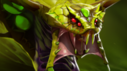 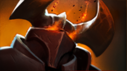     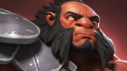 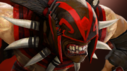    Earth Spirit, Necrophos, Venomancer, Chaos Knight, Lifestealer, Dark Seer, Phoenix, Hoodwink, Axe, Bloodseeker, Winter Wyvern, Warlock, the Ringmaster. |
| C |                             Nature’s Prophet, Phantom Assassin, Enchantress, Bristleback, Keeper of the Light, Shadow Demon, Grimstroke, Lion, Pugna, Timbersaw, Tidehunter, Queen of Pain, Wraith King, Razor, Techies, Dragon Knight, Storm Spirit, Doom, Rubick, Medusa, Windranger, Alchemist, Kunkka, Spirit Breaker, Void Spirit, Ogre Magi, Magnus, Dark Willow. |
Detailed Meta Analysis by Tiers
To truly understand why certain heroes dominate the battlefield while others fall behind, we must look beyond basic matchmaking statistics. In this detailed meta analysis, we break down each tier to explore the specific mechanical advantages, draft flexibility, and scaling capabilities that define every hero’s current position in the patch.
S+ Tier Analysis: The Unstoppable Powerhouses
Heroes in the S+ tier are the absolute definition of the current meta definitions. These characters possess overtuned numbers, unmatched mechanical advantages, or draft flexibility that forces opposing teams to either first-pick or ban them immediately.
- Morphling, Arc Warden & Meepo: These high-skill-cap carries scale incredibly well into the late game. Morphling’s raw stat shifting makes him deceptively tanky, Arc Warden creates massive map pressure with his Tempest Double, and Meepo excels at flash-farming and burst physical damage through geometric clones.
- Batrider & Pangolier: The kings of mid-lane tempo. Batrider’s Flaming Lasso remains the premier pick-off tool in Dota 2, while Pangolier offers chaotic team-fight control, breaking enemy formations with Shield Crash and Rolling Thunder.
- Primal Beast & Enigma: These are the ultimate team-fight instigators. Primal Beast bullies lanes early on with raw physical damage, while Enigma’s Black Hole continues to be a game-winning ultimate that completely punishes bad enemy positioning.
- Shadow Fiend, Drow Ranger, Anti-Mage & Clinkz: Dominant physical damage dealers. Shadow Fiend accelerates his net worth rapidly, Drow Ranger melts high-armor targets from a safe distance, Anti-Mage punishes mana-heavy lineups with high mobility, and Clinkz acts as a terrifying burst-damage assassin from invisibility.
- Undying, Omniknight, Tinker & Lycan: Heavy sustain and high map pressure. Undying wins early skirmishes with Tombstone, Omniknight provides burst healing, Tinker commands global map defense, and Lycan capitalizes on fast-paced push strategies to destroy enemy towers before they can react.
S Tier Analysis: Highly Efficient Meta Contenders
The S-tier consists of exceptionally strong heroes that fit perfectly into almost any competitive draft. They don’t require a specific setup to succeed and can easily carry a game if left unchecked during the laning stage.
- The Magic & Burst Dominators (Leshrac, Lina, Zeus, Lich, Skywrath Mage): These magical powerhouses excel at clearing waves and melting enemy health bars. Leshrac and Lina transition seamlessly into late-game cores, while Zeus, Lich, and Skywrath Mage provide unmatched magical burst damage from the support line.
- The High-Impact Carries (Faceless Void, Juggernaut, Terrorblade, Phantom Lancer, Naga Siren): Exceptional late-game insurance policies. Faceless Void uses Chronosphere to change fights instantly, while Juggernaut offers spell immunity. Terrorblade, Phantom Lancer, and Naga Siren dominate map control through powerful illusion armies.
- The Elusive Playmakers (Ember Spirit, Mirana, Riki, Nyx Assassin, Void Spirit): Masters of movement and stealth. These heroes dictate the tempo of mid-game fights, hunting down squishy targets and scouting deep into enemy territory.
- The Crowd Control Frontliners (Pudge, Beastmaster, Clockwerk, Earthshaker, Centaur Warrunner, Legion Commander, Slardar, Dawnbreaker): High-health brawlers that control the pace of combat. From Pudge’s game-changing hooks and Earthshaker’s Fissure locks to Legion Commander’s Duel lockdowns, they provide the essential frontline control your team needs.
- The Versatile Utilities (Sniper, Snapfire, Visage, Silencer, Invoker, Tusk, Viper, Marci, Dazzle, Death Prophet, Outworld Destroyer, Crystal Maiden, Shadow Shaman, Jakiro, Abaddon, Vengeful Spirit, Night Stalker, Huskar): Highly flexible picks that can fill multiple roles. Whether it’s Silencer’s ultimate disruption, Dazzle’s saving grace, or Sniper’s extreme range kiting, these heroes bring invaluable utility to any team composition.
A Tier Analysis: Solid and Reliable Pocket Picks
A-tier heroes are balanced, dependable, and highly effective when played into the right matchups. They might not be blind-pickable in every draft, but they function beautifully as tactical counters to higher-tier choices.
- The Shield & Anti-Tank Specialists (Ursa, Slark, Monkey King, Templar Assassin): These cores thrive against tanky, slow compositions. Ursa and Slark excel in prolonged fights, while Templar Assassin and Monkey King rely on snowballing early physical damage advantages.
- The Tactical Map Controllers (Lone Druid, Chen, Lycan, Beastmaster, Underlord): Heavy pushing and micro-management experts. They force enemy teams to constantly defend their base structures and split-push lanes effectively.
- The Teamfight Supports (Ancient Apparition, Disruptor, Witch Doctor, Oracle, Io, Treant Protector, Elder Titan, Bane, Enigma): These utility supports turn the tide of team fights through powerful area-of-effect spells, heavy crowd control, or lifesaver saves like Oracle’s False Promise or Io’s Relocate.
- The Versatile Brawlers (Mars, Tiny, Puck, Muerta, Sven, Troll Warlord, Spectre, Weaver, Bounty Hunter, Sand King, Luna, Gyrocopter, Brewmaster, Largo): Balanced fighters that hit specific item power spikes. They can dominate matches when picked into favorable lane matchups or when execution is flawless.
B Tier Analysis: Balanced and Situational Specialists
Heroes in the B-tier require a bit more coordination or a specific team composition to unlock their maximum potential. They are average in the current meta but can shine brightly in the hands of specialized hero spammers.
- The Sturdy Frontliners (Chaos Knight, Lifestealer, Axe, Bloodseeker): Solid physical scaling choices that struggle slightly with mobility or kiting issues in the current fast-paced meta.
- The Magic Utility & Annoyances (Earth Spirit, Necrophos, Venomancer, Dark Seer, Phoenix, Hoodwink, Winter Wyvern, Warlock, The Ringmaster): Heavy reliance on spell combinations and long, drawn-out team fights. They require great positioning and team follow-up to be truly effective.
C Tier Analysis: Underpowered and Out of Meta
The C-tier features heroes that are currently struggling due to recent nerfs, unfavorable mechanical changes, or because higher-tier heroes simply do their jobs much better with less effort.
- The Slow Carries (Phantom Assassin, Medusa, Wraith King, Razor, Alchemist): Traditional farming cores that take too much time to get online in an aggressive, fast-paced pushing meta.
- The Defensively Vulnerable (Nature’s Prophet, Enchantress, Keeper of the Light, Shadow Demon, Grimstroke, Lion, Pugna, Queen of Pain, Storm Spirit, Rubick, Windranger): High-utility spellcasters that are easily caught out of position and burst down by the high-mobility meta heroes.
- The Current Patch Stragglers (Bristleback, Timbersaw, Tidehunter, Techies, Dragon Knight, Doom, Kunkka, Spirit Breaker, Void Spirit, Ogre Magi, Magnus, Dark Willow): These tanks and initiators have suffered from severe stat nerfs or unfavorable mechanic updates, making them sub-optimal choices compared to higher tiers.
How We Rank Dota 2: Our Tier List Criteria
Creating a definitive hero ranking in a game as complex as Dota 2 requires a multi-dimensional approach. A hero’s placement on our tier list is not just a reflection of personal opinion; it is calculated based on several critical, high-level competitive factors in the current patch.
- Win Rates and Pick Rates: We track performance metrics across high-skill brackets, specifically Immortal and Divine matchmaking, as well as recent professional tournament data. A high win rate combined with a high pick rate indicates a fundamentally broken or highly overtuned meta hero.
- Draft Flexibility: Top-tier heroes can often be flexed into multiple roles (e.g., played as both a support or a mid laner). This versatility confuses the enemy during the drafting phase and protects your team from being easily countered.
- Item and Economy Scaling: The current meta dictates how fast games are played. Heroes who reach their power spikes with just one or two core items (like Blink Dagger, Mage Slayer, or Orchid) naturally rank higher than traditional hard carries that require 30 minutes of uninterrupted farming.
- Map Control and Objective Taking: Dota 2 is ultimately a game about destroying structures. Characters who excel at fast wave-clearing, split-pushing, or rapidly securing Roshan and enemy towers possess a massive innate advantage over slower, reactive heroes.
You may also like…